
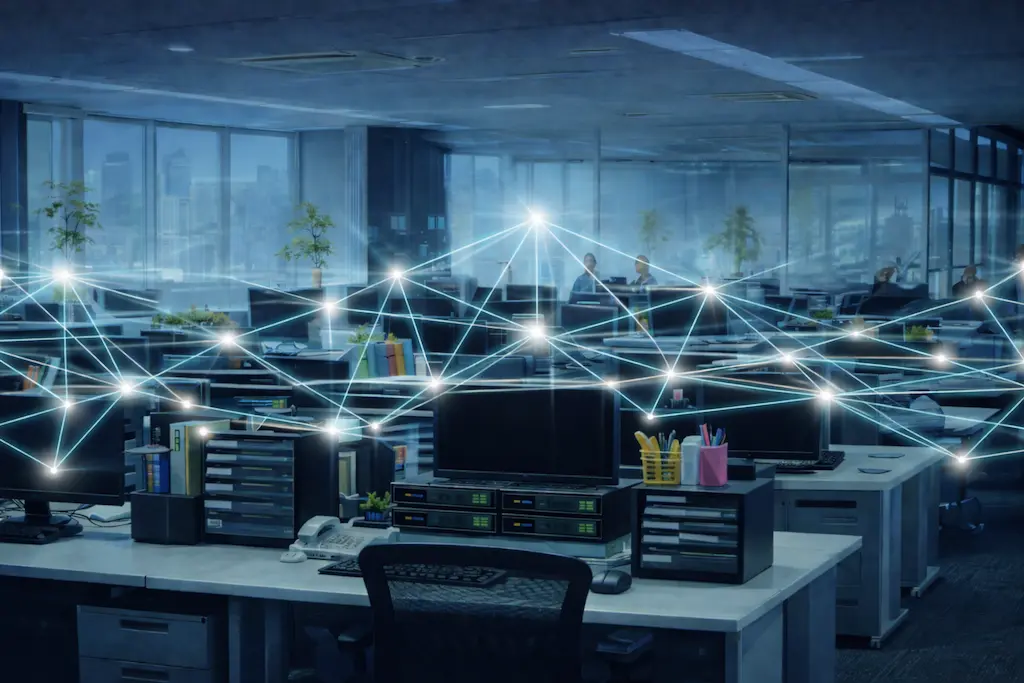
Monitoring and Operational Visibility for Small Businesses
FOSSnix IT builds practical monitoring and operational visibility systems that help small organizations understand the health of their infrastructure before problems become downtime.
You Can’t Maintain What You Can’t See
For many small businesses, technology problems are discovered only after something breaks. Backups silently fail. Storage fills up. Internet outages go unnoticed until staff can’t work. Systems overheat, services stop responding, or security updates fall behind without anyone realizing it.
FOSSnix IT builds practical monitoring and operational visibility systems that help small organizations understand the health of their infrastructure before problems become downtime.
This is not enterprise-scale complexity or endless dashboards. It’s focused operational visibility designed for organizations that depend on reliable systems but don’t have internal IT departments watching them full time.
Know what’s happening across your infrastructure — before it becomes operational disruption.
What Monitoring Actually Means
Monitoring is not just “checking if a server is online.”
A healthy infrastructure environment includes visibility into:
- Server health and resource usage
- Backup success and failure states
- Disk capacity and storage growth
- Network outages and connectivity problems
- VPN availability
- Hardware temperature and power alerts
- Critical service availability
- SSL certificate expiration
- Security update status
- Internet uptime and external accessibility
Without visibility, small issues compound into outages, data loss, or prolonged downtime.
FOSSnix IT implements lightweight operational monitoring systems appropriate for small organizations — designed to provide clarity without overwhelming complexity.
Designed for Small Organizations
Most monitoring platforms are built for large enterprises with dedicated NOCs, engineering teams, and 24/7 staffing.
Small businesses need something different:
- Clear alerts
- Practical reporting
- Actionable visibility
- Low operational overhead
- Reliable notifications
- Simple ownership
The goal is to make sure critical systems stay operational and problems are identified early.
Typical Monitoring Coverage
Infrastructure Health
Visibility into:
- CPU and memory utilization
- Storage consumption
- RAID or disk health
- VM host performance
- Power supply and hardware status
- Temperature monitoring
- Service uptime
Network & Connectivity Monitoring
Operational visibility into:
- Internet outages
- VPN availability
- Remote access services
- Gateway and firewall status
- Internal network availability
- DNS issues
- External service accessibility
Backup Verification
Backups are only useful if they are actually working. Monitoring can validate:
- Backup job completion
- Replication status
- Storage capacity for backups
- Failed backup alerts
- Retention health
- Snapshot monitoring
Service Monitoring
Critical business applications can be monitored for availability, including:
- Private cloud platforms
- File sharing systems
- Collaboration tools
- Internal web applications
- Authentication services
- Documentation systems
- Email-related services
Alerting Without Noise
FOSSnix IT focuses on operationally meaningful alerting:
- Critical failures
- Resource exhaustion risks
- Service outages
- Backup failures
- Security-related issues
- Infrastructure degradation
The objective is signal over noise.
Small businesses do not need thousands of meaningless notifications.
They need clear operational awareness when something actually requires attention.
Operational Visibility Supports Ownership
A major problem with many outsourced or SaaS-heavy IT environments is lack of transparency.
Clients often cannot see:
- What systems exist
- Whether backups are healthy
- What services are failing
- How resources are being consumed
- Whether maintenance is actually occurring
FOSSnix IT emphasizes operational transparency.
Where appropriate, clients can receive access to dashboards, reporting, documentation, and infrastructure visibility that reflects the real state of their environment.
Ownership includes visibility.
Common Monitoring Components
Depending on infrastructure size and operational goals, environments may include tools such as:
- Infrastructure monitoring platforms
- Uptime monitoring systems
- Network visibility tools
- Backup health monitoring
- Log aggregation systems
- Alerting and notification integrations
- Dashboard and reporting interfaces
Solutions are selected based on operational fit.
Built Around Long-Term Stability
FOSSnix IT builds monitoring systems that are:
- Practical
- Understandable
- Maintainable
- Documented
- Ownership-friendly
- Sized appropriately for small organizations
The result is infrastructure that is easier to operate, easier to troubleshoot, and less likely to fail silently.
Infrastructure Problems Rarely Appear Without Warning
Operational visibility helps identify issues before they become downtime, failed backups, or business disruption.
FOSSnix IT helps small businesses implement practical monitoring and visibility systems sized for real operational needs — without enterprise complexity.