

Data Ownership IT Infrastructure
Data ownership in IT infrastructure is critical for organizations that want long-term control over their systems, security, and costs.
FOSSnix IT designs open source platforms that ensure your data remains accessible, portable, and fully under your control.
The Data Ownership Problem in Modern IT Infrastructure
Most Business IT Is Built on Rental Models
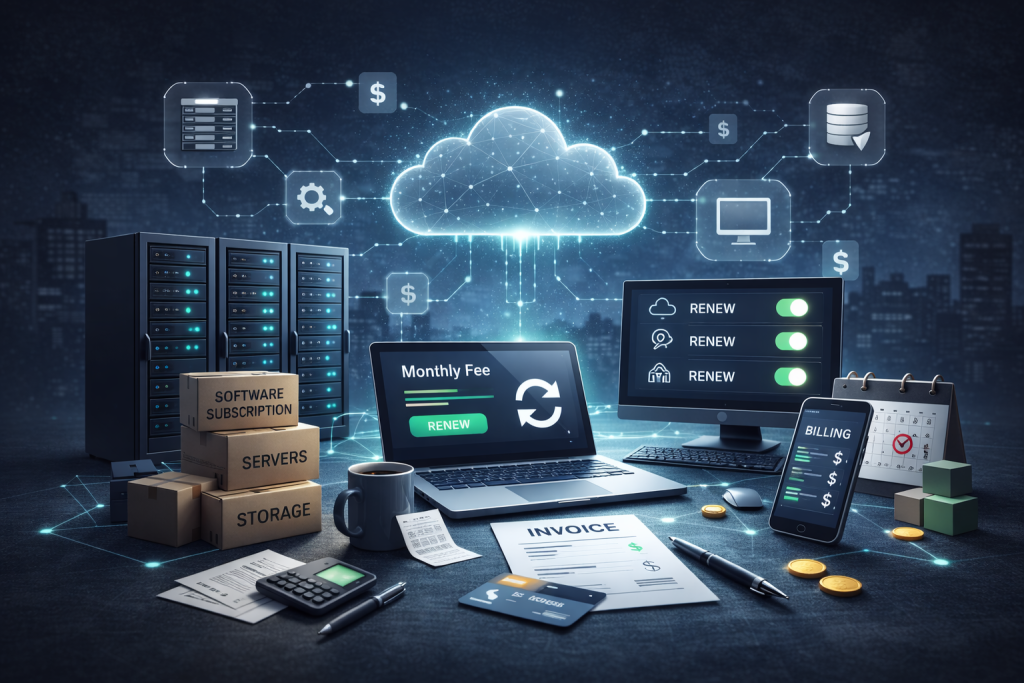
Much of modern business IT infrastructure is built on subscription and licensing models rather than true ownership.
Software, storage, collaboration platforms, and networking services are increasingly tied to recurring SaaS subscriptions that require ongoing payment to maintain access.
This model creates several structural problems:
- Costs increase as your organization grows
- Your data resides inside proprietary, vendor-controlled systems
- Platform changes occur outside your control
- Switching vendors becomes complex, costly, and disruptive
Over time, this shifts data ownership away from the organization and into the hands of the vendor.
Many businesses accept these tradeoffs because the model appears convenient at first—but convenience is not the same as control.
Without true data ownership in IT infrastructure, long-term flexibility, portability, and independence are limited.
What Data Ownership IT Infrastructure Actually Means
Ownership Changes Your Relationship With Technology
When data ownership in IT infrastructure is treated as a priority, your organization retains full control over the systems that store your data and support your operations. Instead of relying on vendor-controlled platforms, your infrastructure becomes an asset you manage, adapt, and evolve over time.
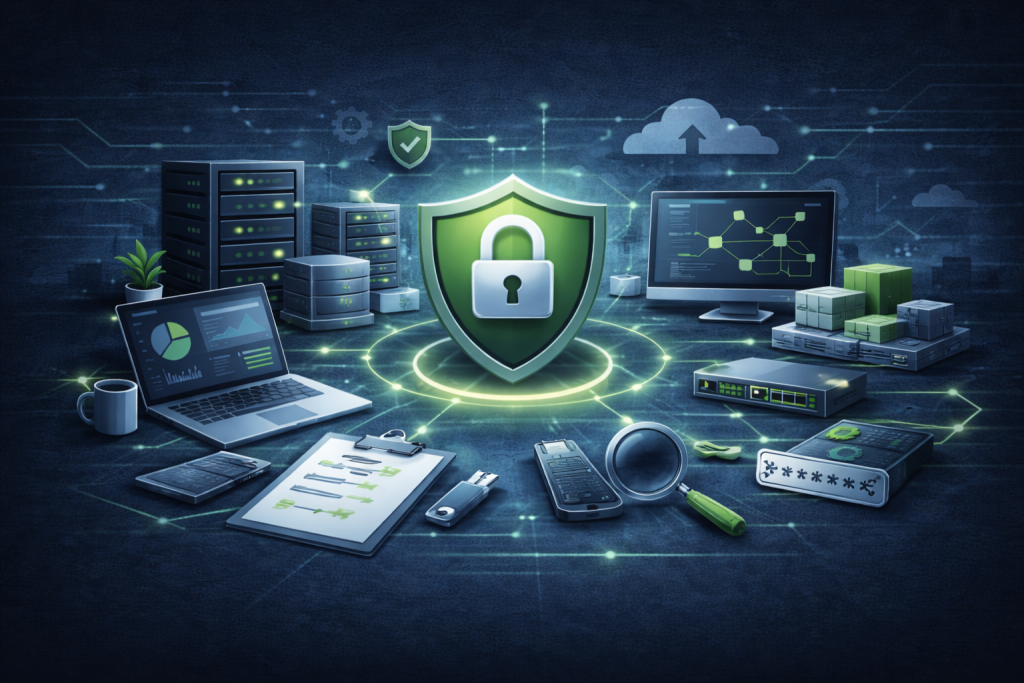
Control of your data
Files, communications, and business records reside on systems your organization owns and controls, ensuring long-term access and portability.
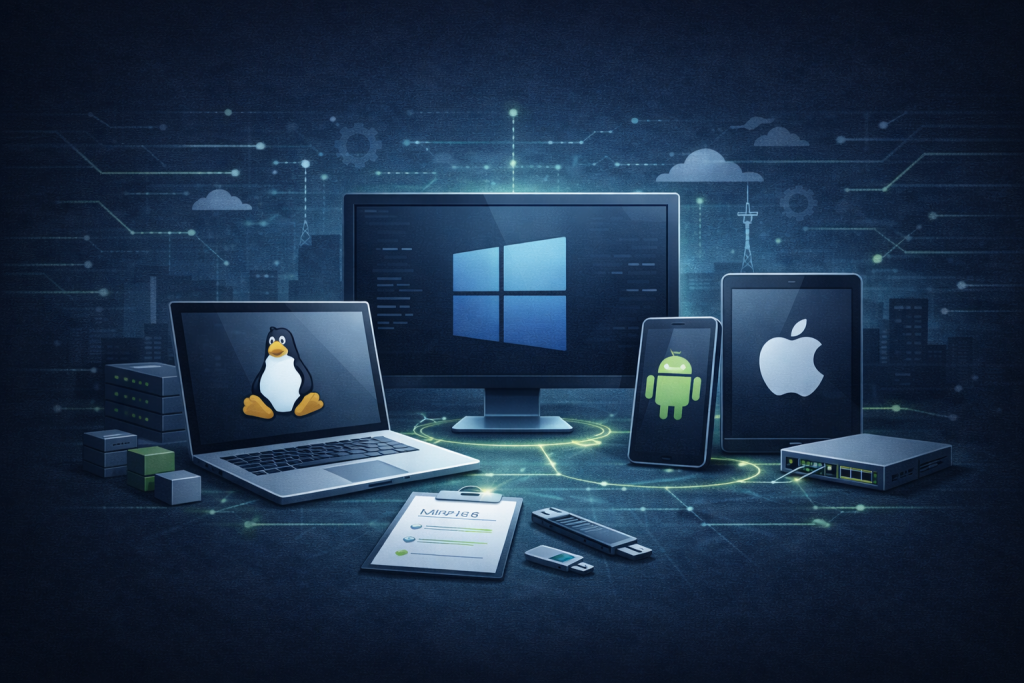
Platform independence
Your infrastructure is not tied to a single vendor ecosystem, allowing you to change platforms, tools, or providers without disruption.

Predictable costs
Infrastructure costs scale with hardware, capacity, and support—not per-user subscription licensing or vendor pricing changes.
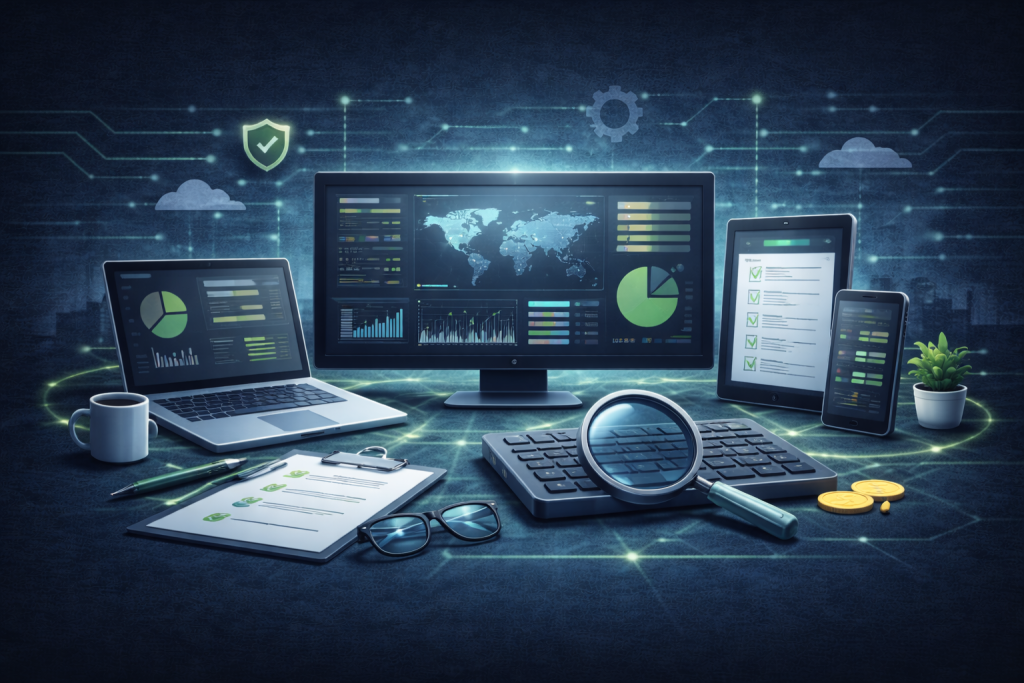
Operational transparency
Open platforms allow administrators to inspect, audit, and manage systems directly.